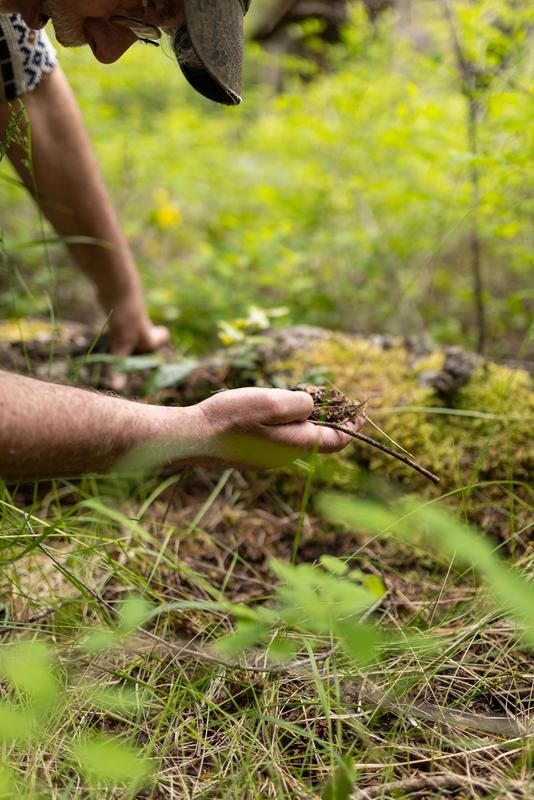
This Basic Sanctuary Forest Design Program invites you to see land not as a resource to be managed, but as a living system to be understood and supported over time. Drawing from ecological principles, observation practices, and long-view thinking, you will learn how to recognize patterns in soil, water, plant life, and wildlife—and how to work with those patterns rather than against them.
Through guided learning and applied exercises, you will begin to map and interpret your own space, developing a plan that supports biodiversity, resilience, and meaningful human interaction.
Participants often discover that as they begin to rewild land, they are also rewilding their own relationship to place.
Program Delivery
- Structured PDF lessons with diagrams and planning tools
- In-depth video teachings and case examples
- Interactive live conferences for design feedback and discussion
- Applied exercises (12 total) using your own land or a case study
Curriculum (12 Core Areas)
1. Principles of Sanctuary Forest Design
2. Seeing land as a living system
3. Reading soil, water, and microclimates
4. Native species and biodiversity basics
5. Creating layered ecosystems (canopy to ground cover)
6. Pollinator pathways and wildlife support
7. Water retention and natural flow systems
8. Reducing lawn and conventional landscaping
9. Human interaction as part of the ecosystem
10. Long-term planning (100–300 year thinking)
11. Mapping and designing your sanctuary space
12. Implementation strategies and phased development
Who Should Take This Program?
- Homeowners and land stewards
- Gardeners seeking ecological approaches
- Homesteaders and rural property owners
- Environmental advocates and community planners
- Anyone wanting to actively contribute to biodiversity and climate resilience
Program Fee: $580 CAD
- Format: Distance Learning (6–8 Weeks)
- Includes: Design tools, templates, and live feedback sessions


contact the forest
250.547.2001


distance learning
index
camp
programs
REGULAR REGISTRATION
Sanctuary Forest Design:
Rewilding Land & Self Certification Training
Distance Learning Series Regular Cost: $580.00 (Canadian Dollars)
You may register using this secure Paypal link:
Yasei Shinrin Yoku
and Spiritual Stewardship
Nature is returning as a key element within the human spiritual experience. Don Elzer talks about how Yasei Shinrin Yoku delivers a practice where-by we create a working relationship with nature through stewardship.
Wildcraft Forest School - Online Programs



Sanctuary Forest Design: Rewilding Land & Self
Design Living Landscapes for the Next 300 Years
At a time when environmental challenges are becoming more visible and urgent, many people are asking a simple but profound question: What can I do, where I am, with what I have? For some, the answer begins with land—whether it is a backyard, a rural property, or a shared community space.
Yet most approaches to land use remain short-term, aesthetic, or production-focused.
Sanctuary Forest Design offers a different perspective.
Wildcraft
Forest School
You may also register by Interac or
Wells Fargo Transfer. Send us an email and we will send you instructions.
If you have questions please email us or call 250.547.2001